Pine Lake Locksmith Service Team
Local locksmith team
Jul 6, 2026 11 min read
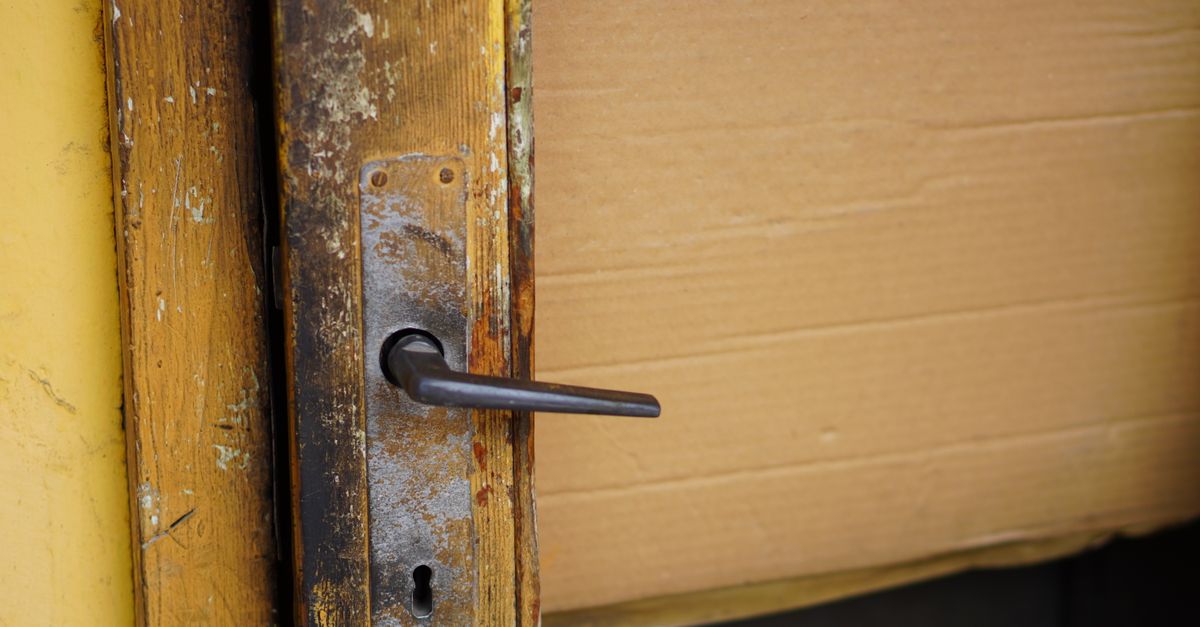
If you live near Pine Lake — tucked just off Memorial Drive between Stone Mountain and Decatur — you probably appreciate older homes with real character. And a lot of that character is built right into the hardware: solid wood doors fitted with chunky, heavy mortise lock sets that have been doing their job for decades. But when one of those locks starts sticking, grinding, or suddenly feels loose in the door, the knee-jerk reaction is to assume the whole thing needs to come out. That is not always the case.
Before you start shopping for a replacement, it helps to know what you are actually dealing with. A mortise lock is a self-contained mechanism that fits into a deep rectangular pocket — or mortise — cut into the door edge. Because all the working parts (latch, deadbolt, strike alignment) live inside a single cartridge, a skilled locksmith can often service individual components rather than swap the entire unit. This article walks you through five clear signs that your lock needs a repair, not a full replacement, and explains when replacement genuinely is the smarter call.
## Sign 1: The Key Turns Hard or Feels Gritty — Check the Mortise Lock Cylinder First
If your key takes real effort to turn, or you feel a grinding sensation partway through the rotation, the problem is almost always isolated to the mortise lock cylinder rather than the entire lock body. Over years of use — especially on exterior doors exposed to Georgia humidity — the cylinder pins corrode, lubrication dries out, and small debris works its way inside. A locksmith can extract the cylinder, clean and repin it, or swap just that one component for a fraction of the cost of pulling the full mortise lock set out of the door. Real-world scenario: a homeowner on Rockbridge Road calls because their front door key is "fighting back" every morning. Nine times out of ten, a cylinder service or a precision rekey restores smooth operation in under an hour.
When does hard turning mean replacement? If the cylinder housing itself is cracked, or if the cam that operates the lock body inside has sheared off, the repair math changes. A qualified locksmith will remove the cylinder, inspect the cam and tailpiece, and tell you exactly what you are working with before any work begins. The point is: get the diagnosis first. Do not pull a perfectly serviceable lock because the cylinder made one bad morning.
## Sign 2: The Latch or Bolt Does Not Retract Cleanly — A Repair Job, Not a New Mortise Lock
A mortise lock contains a spring-loaded latch for day-to-day entry and a deadbolt thrown manually or by a thumb turn. When either one moves sluggishly, sticks halfway, or snaps back before the door fully opens, homeowners often assume the whole mechanism is shot. In most cases the culprit is a worn or fatigued internal spring — a small part that a trained locksmith can replace without disturbing the rest of the lock body. Brands like Baldwin mortise lock hardware and Corbin Russwin mortise lock systems are built to accept service parts, and experienced locksmiths stock common springs and followers for exactly this scenario.
The exception is when the latch body itself is bent or cracked from door abuse — repeated slamming, someone forcing entry, or a door that has warped so badly the latch drags the strike plate every time it closes. In that situation, the metal fatigue is structural and a replacement lock body is the responsible recommendation. A quick visual inspection of the latch face and the condition of the strike plate mortise will tell the story. If the strike plate shows deep gouge marks and the latch tip is visibly deformed, budget for a new unit. If everything looks intact and the movement is just stiff, a spring replacement and fresh lubrication will very likely solve it.
## Sign 3: The Exterior Handle or Trim Is Loose but the Lock Mechanism Works Fine
On a mortise lock set for an exterior door, the handles, escutcheon plates, and rose covers are attached to the lock body via through-spindles and set screws. These fasteners back out over time, especially on high-traffic doors. A loose lever or knob that wiggles under your hand feels alarming — it reads like structural failure — but it is usually a ten-minute tighten-and-inspect visit. A professional locksmith will re-seat the spindle, check that the set screws are biting solid metal (not just threading into stripped holes), and verify the through-bolt tension. If the escutcheon itself is cracked or the spindle is bent from a forced-entry attempt, those individual parts can often be sourced and swapped without replacing the entire mortise lock body inside the door.
Here is a practical test you can do right now: with the door open and the bolt or latch retracted, wiggle the handle. If the spindle moves but the internal mechanism stays stationary and still operates the bolt correctly, the issue is purely with the exterior trim — not the lock itself. That distinction matters because trim components are far less costly to source and install than a full mortise replacement. If you are unsure, call a qualified locksmith for an assessment before ordering any parts. Our team at Pine Lake Locksmith is available around the clock — reach us at (770) 874-0418 any time.
## Sign 4: The Door Knob Lock or Thumb Turn Spins Freely Without Moving the Bolt
A thumb turn or interior door knob lock that spins a full 360 degrees without throwing the deadbolt is a classic sign of a broken cam, a snapped connecting bar, or a detached cam follower inside the lock body. It sounds catastrophic, but these are serviceable internal parts in most quality mortise lock systems. The lock body itself — the rectangular cartridge set into the door — is almost always intact. A skilled locksmith removes the trim, extracts the lock body, identifies the broken component, and either replaces the part or, if the part is discontinued, sources a compatible aftermarket component. This repair approach is especially common with older Baldwin mortise lock hardware found in Pine Lake-area homes built in the 1960s and 1970s, where the lock bodies are heavy brass and fully worth preserving.
The scenario that does call for replacement: when the lock body casting itself has cracked, usually from someone using excessive force on a frozen lock in winter or from a botched prior repair attempt. A cracked casting cannot be reliably repaired and will fail again under load. An experienced locksmith can spot a crack within seconds of removing the trim. If the casting is sound and only the internal mechanism is broken, repair is the call. If the casting is compromised, a new mortise lock body — matched to your existing trim and door prep if at all possible — is the right move.
## Sign 5: The Lock Has Been Rekeyed So Many Times the Pins Are Unreliable — Service It, Do Not Scrap It
Rekeying is one of the most requested locksmith services, and for good reason — it is a smart security move after a move-in, a roommate change, or a lost key. But a mortise lock cylinder that has been rekeyed multiple times by different hands, using mismatched pin kits or improper tolerances, can develop a shaky key pull, a mushy feel at the shear line, or intermittent key recognition. This is not a reason to replace the whole lock. It is a reason to have a professional repin the cylinder correctly from scratch using quality pins sized to your specific keyway. A full cylinder repin restores factory-level feel and security without touching the lock body inside the door.
If you are thinking about upgrading security at the same time — perhaps adding a smart mortise lock to your exterior door — that is a legitimate reason to consider replacement rather than repair. A smart mortise lock integrates an electronic cylinder or motorized bolt into the same door prep, giving you keypad, app, or fob access without new door work. Whether that upgrade makes sense depends on the age of your door, the condition of the existing mortise, and your security goals. Our team can walk you through both paths — repair versus upgrade — and give you an exact, up-front price confirmed before any work starts. Factors that shape the quote include the lock brand and model, the parts needed, the time of the call, and travel distance to your location. Call us at (770) 874-0418 — we answer 24/7.
Pine Lake Locksmith is proud to serve the tight-knit Pine Lake community and the surrounding neighborhoods including Stone Mountain, Clarkston, Tucker, Lithonia, and Decatur. Whether it is a mortise lock on a 1970s craftsman bungalow off Valley Road or a commercial locksmith call at a business on Memorial Drive, our mobile team brings the tools and parts to you — no shop drop-off, no waiting. We handle residential rekeying, commercial lock hardware, emergency locksmith response, car lockouts, ignition work, and a full range of door hardware installation and repair. Our technicians are trained, experienced, insured, and genuinely familiar with the lock types common in DeKalb County homes. We do not farm out calls or put you on hold with a call center — when you dial (770) 874-0418, you reach our local team directly.
## When Replacement Actually Wins: A Straight-Talk Breakdown
Repair is not always the right answer, and a trustworthy locksmith will tell you so. Full replacement makes clear sense when: the lock body casting is cracked; the door prep (the mortise pocket itself) has been damaged and no longer supports the lock body squarely; the lock model is so old that service parts are completely unavailable; or the security rating of the existing hardware is simply too low for your current situation and an upgrade is warranted. In those cases, a professional will recommend a new mortise lock set matched to your door thickness, backset, and finish — and will handle the installation so the new lock is fitted correctly from day one.
The bottom line is that mortise locks are engineered to last decades precisely because they are designed to be serviced. They are not disposable. A repair-first conversation with a qualified locksmith is almost always worth having before you commit to a full replacement — and it starts with a quick call or a mobile visit to assess what you are actually dealing with.
Frequently asked questions
What is a mortise lock and how is it different from a standard door knob lock?+
A mortise lock is a complete locking mechanism — latch, deadbolt, and sometimes an integrated door knob lock function — housed inside a single cartridge that fits into a rectangular pocket cut into the door edge. That internal pocket is the mortise. Because all components live in one self-contained unit, a mortise lock is generally more robust and more repairable than a surface-mounted cylindrical lock or a basic door knob lock. The trade-off is that installation and service require more skill, which is why having an experienced locksmith handle any repairs or adjustments matters.
Do you have to have a license to be a locksmith in Georgia, and how do I know I am hiring a qualified technician?+
Georgia does not currently require a state-issued locksmith license the way some other states do, which means the most reliable indicators of a qualified technician are training, hands-on experience, insurance coverage, and a willingness to provide an exact up-front price before starting work. When you call Pine Lake Locksmith at (770) 874-0418, you can ask about our technicians' backgrounds and verify our insurance. We are happy to answer those questions directly — transparency is part of how we work.
What is a locksmith call-out fee and what factors affect the final price of a mortise lock repair?+
A call-out fee — sometimes called a service or dispatch fee — covers the cost of a technician traveling to your location to assess the job. From there, the full price depends on several factors: the specific brand and model of the mortise lock or mortise lock set involved, the parts needed for the repair, the time of day (evening, overnight, and holiday calls typically differ from standard daytime visits), and the travel distance to your address. At Pine Lake Locksmith, we confirm an exact price with you before any work begins, so there are no surprises when the job is done.
Can a smart mortise lock be installed on my existing exterior door without major modifications?+
In many cases, yes — a smart mortise lock is designed to fit the same door prep as a traditional mortise lock, so if your door already has a mortise pocket of the right dimensions, the swap is straightforward. The key variables are the door thickness, the existing backset measurement, and whether the current mortise pocket matches the footprint of the new unit. A trained locksmith will measure your door before sourcing hardware to confirm compatibility. If modifications are needed, we will explain exactly what is involved and confirm the price before touching the door.